
Generator Electrical Installation Service
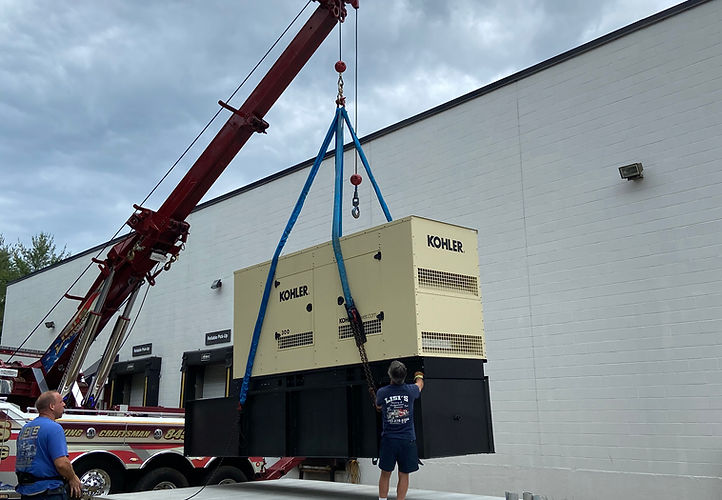
The Critical Electrical Side of Standby Generator Installation
When you choose to protect your home with a standby generator, the installation is only half the story. Generator electrical installation in Westchester NY requires specialized expertise that goes far beyond running a simple power cord. The licensed electrical work — from transfer switch wiring to panel upgrades — is what makes your generator actually work safely and reliably when the power goes out.
With 40 years of electrical experience and 25 years focused specifically on generators, we've installed hundreds of systems across Mt Kisco, Bedford Hills, Katonah, and throughout Westchester County. That depth of experience matters. We don't just hook up generators. We understand the electrical codes in every municipality we serve, we know the quirks of older home wiring systems, and we handle every permit and inspection without headaches.
What's Involved in Generator Electrical Installation
Your generator needs three essential electrical components to operate safely in your home:
-
The Automatic Transfer Switch sits between your generator and your electrical panel. When grid power fails, this switch automatically disconnects your home from the utility line and connects the generator within milliseconds. It's the device that makes your whole-home backup actually work — and it has to be sized correctly and wired precisely to code. Automatic transfer switch installation in Westchester requires licensed electrician work because improper installation creates serious shock hazards and code violations.
-
Your Electrical Panel Assessment comes next. Many homes built in the 1940s through 1970s still have original panels — Federal Pacific, Zinsco, or old fuse boxes. These systems need evaluation to determine if they can handle a generator connection. Sometimes a simple assessment shows your panel is fine. Often, we recommend a panel upgrade to ensure safety and give you the capacity you need. Generator panel assessment in Westchester County isn't optional; it's a safety requirement.
-
Load Management Installation lets a smaller generator power more of your home by intelligently cycling circuits. Rather than trying to run everything at once (which oversizes your equipment and costs more), load management prioritizes essential circuits — refrigerator, HVAC, well pump, critical outlets — and cycles secondary loads when needed.
-
Fuel Line Coordination is where we connect your generator to its fuel source. Natural gas connections require gas line assessment and coordination with your utility or propane company. We handle the engineering so your lines have proper capacity, correct fittings, and meet all building code requirements.
Why 40 Years of Electrical Experience Matters
Generator electrical hookup sounds simple until you start working on homes built when electrical codes were different and materials have aged unpredictably. An electrician with general residential experience may miss critical issues. Our 40 years in electrical work — and 25 years specifically with generators — means we've seen every scenario.
We know which neighborhoods have knob-and-tube wiring hiding behind walls. We've encountered Federal Pacific panels that the industry flagged as fire hazards decades ago. We understand when a home's existing electrical service needs a full upgrade versus when we can work within the current system.
Every municipality in Westchester County — Mt Kisco, Town of Bedford, Town of New Castle, Town of North Castle, Village of Pleasantville — has its own permit requirements and inspection procedures. We manage those differences so you don't have to think about it. We pull permits, schedule inspections, and address any inspector notes. That's included in the job.
Automatic Transfer Switch: Your Generator's Brain
The automatic transfer switch is the most critical piece of equipment in your generator installation. When utility power drops below a safe threshold, the ATS detects the outage, signals your generator to start, waits for it to reach stable output, and then switches your home's electrical load from the grid to the generator. When power returns, it reverses the process.
This switching has to happen with zero overlap — you can't have both utility and generator connected to your panel simultaneously, as that creates a direct short circuit and electrocution hazard. The ATS prevents that. It also isolates your generator from the utility line so lineworkers outside your home aren't endangered while your generator is running.
Properly installed, an ATS is a completely automatic process you don't think about. Improperly installed, it's a dangerous liability.
Panel Upgrades When They're Needed
Not every home needs a full electrical panel upgrade. But in Westchester County, we see a lot of properties where a generator installation reveals that the panel itself needs attention.
If your home was built in the 1960s or 1970s with a 100-amp service and you've never had a panel upgrade, a 25-kW generator hookup may require us to increase your service to 150 or 200 amps. Upgrading the main panel is a bigger project than the generator work itself, but it's often the right move. It gives you not just generator capacity, but the ability to handle modern electrical loads — heat pumps, electric vehicles, water heaters — that older panels simply can't support.
We assess your panel before we commit to a timeline. If no upgrade is needed, great. If one is recommended, we explain exactly why and give you a clear cost before we proceed.
Load Management: Getting More from a Right-Sized Generator
A 20-kW generator can theoretically power a 4,000-square-foot home, but only if you're not running everything at once. Without load management, you'd size your generator for the absolute worst-case scenario. That means a much larger and more expensive generator.
Load management works differently. An intelligent controller monitors your generator's real-time output and prioritizes circuits based on what you need most. Your furnace, refrigerator, well pump, and critical outlets run continuously. Your electric dryer, pool pump, or secondary heating might cycle on and off as capacity allows. The result is lower installation cost, lower fuel consumption, and perfectly adequate backup power.
What to Expect During Your Installation
Assessment and Planning
We visit your home, examine your electrical panel, check your utility service, and assess your fuel supply situation. This assessment is free and takes about an hour.
Permitting
We pull all necessary permits and handle all paperwork.
Installation
Typically a one- to three-day process depending on whether panel upgrades are needed. We install the transfer switch, run all wiring, connect fuel lines, and install load management if applicable.
Testing and Inspection
We test the entire system under load, schedule the municipality inspection, and ensure everything passes.
Handoff
We walk you through basic operation and provide documentation for your records.
Frequently Asked Questions
What is an automatic transfer switch and why do I need one?
An automatic transfer switch monitors your utility power and, when an outage is detected, switches your home's electrical load from the grid to your standby generator within milliseconds. Crucially, it prevents both utility and generator from ever being connected simultaneously — a situation that would create electrocution hazards and equipment damage. Building code requires one for any permanently installed generator.
Do I need to upgrade my electrical panel?
That depends on your panel's current condition and amperage rating. If your home has 150 or 200-amp service and the panel is in good condition, we may not need to upgrade. If you have 100-amp service, outdated panel types (Federal Pacific, Zinsco), or existing issues, an upgrade is often recommended. We assess your specific situation and let you know before any work begins.
What permits are required for a generator installation in Westchester County?
Every municipality requires at least an electrical permit. Many also require building permits. Permit requirements vary by town and village. We determine what applies to your address, pull everything necessary, and schedule inspections at the right stages.
How does load management work?
Load management uses an intelligent controller to monitor your generator's real-time output and prioritize electrical circuits by importance. Essential loads run continuously. Non-essential loads cycle on and off based on available capacity. You get adequate backup power for what matters most while using a right-sized generator instead of an oversized one.
Generator electrical installation isn't one-size-fits-all. Every home's panel, fuel supply, and municipality codes differ. That's why we start with a free, no-obligation assessment. We examine your electrical system, answer your questions, and give you a clear picture before you commit.
Schedule an assessment or call us at (914) 241-8600. If your generator fails unexpectedly, our emergency repair service is available 24/7.